Level Electrical & Air
Refrigeration in Tamworth,
Inverell, Gloucester, Muswellbrook & surrounds
Ensure food, stock and temperature-sensitive products stay protected with reliable refrigeration solutions designed for consistent performance, energy efficiency and long-term durability in any setting.
Consistent Cooling
Refrigeration You Can Rely On
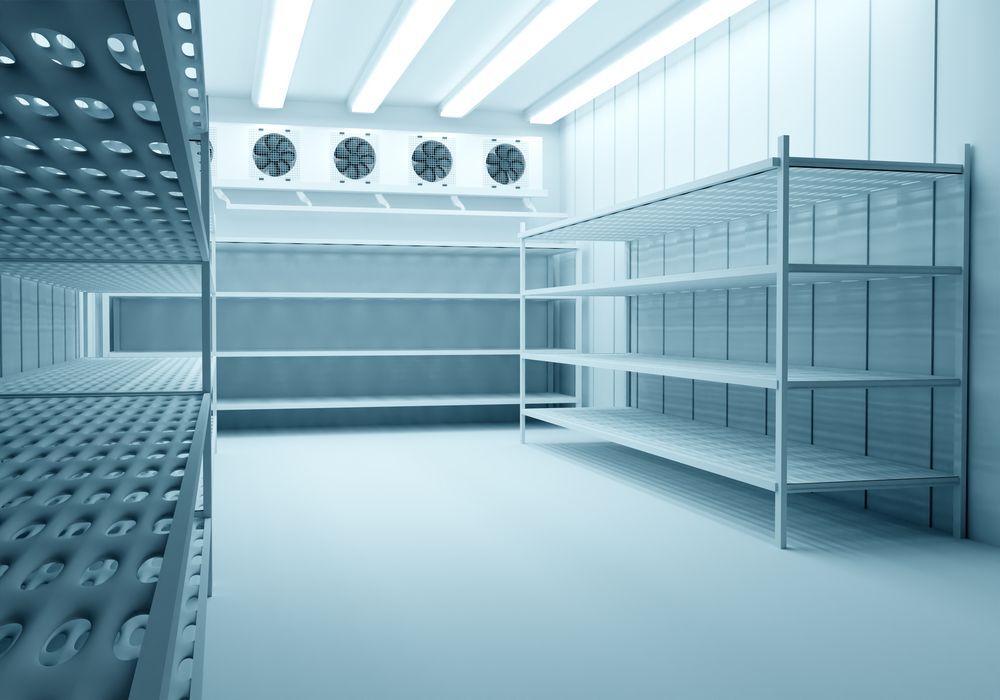
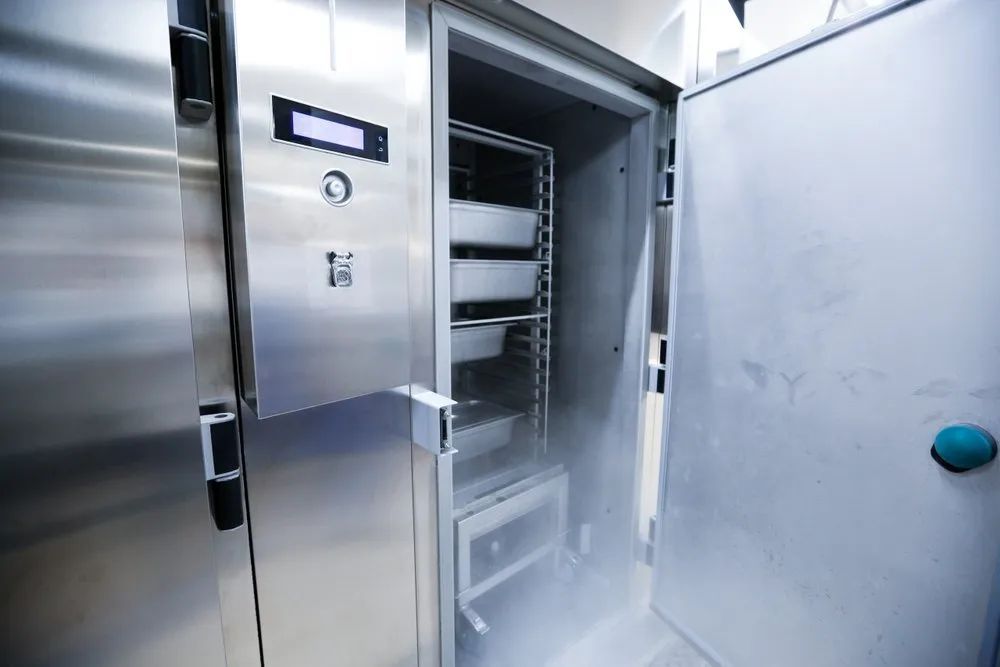
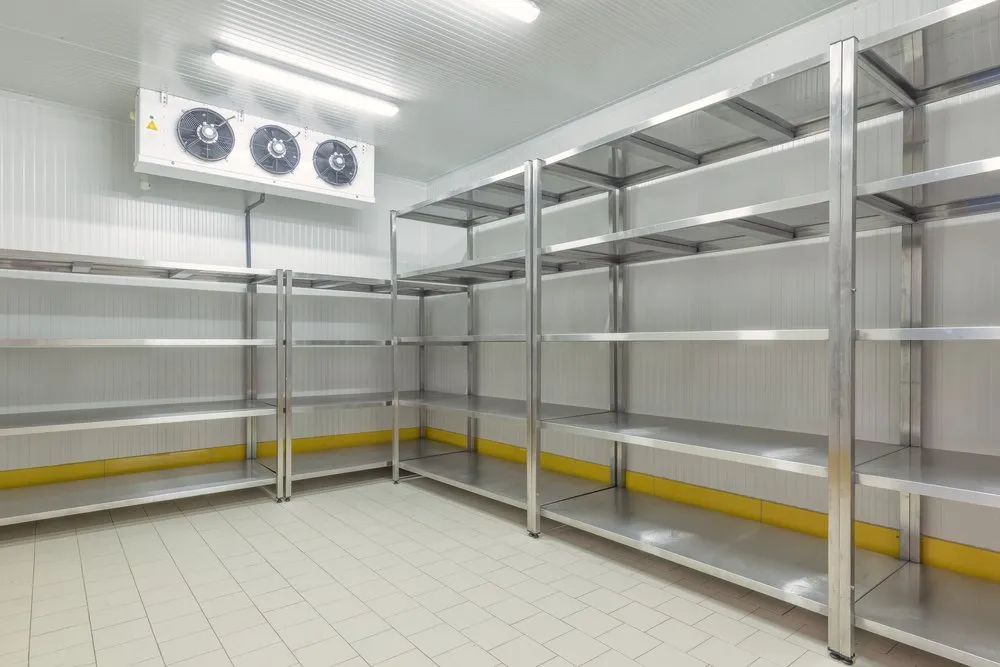
Even a small temperature fluctuation can lead to spoiled goods, equipment strain or costly downtime, which is why dependable refrigeration matters in every environment. At Level Electrical & Air, we provide installation, servicing and repairs for domestic, commercial and industrial refrigeration systems across Tamworth, Gloucester, Inverell and Muswellbrook.
From cold rooms and display fridges to under-bench units and specialist equipment, we focus on keeping your systems running at the right temperature with minimal disruption to your day. Our licensed team understands the importance of accuracy, efficiency and reliability, tailoring solutions to suit your space and industry needs. With decades of experience and a commitment to quality workmanship, we help prevent breakdowns, reduce energy waste and extend the lifespan of your systems through expert maintenance and timely repairs.
For dependable refrigeration support from a trusted local team, contact:
- 02 6762 2261 - Tamworth
- 02 6722 1981 - Inverell
- 02 6558 2144 - Gloucester
- 02 6543 2560 - Muswellbrook
Get a Free Quote
Contact Us
Thank you for contacting Level Electrical & Air.
We will get back to you as soon as possible.
Oops, there was an error sending your message.
Please try again later.
Need Help?
Frequently Asked Questions
Why is my fridge or cold room not cooling properly?
Poor cooling can stem from a range of issues, including dirty condenser coils, low refrigerant levels, blocked airflow, faulty thermostats or worn door seals. In cold rooms, improper insulation, overloaded shelving or incorrect stacking can also restrict airflow and reduce efficiency. Ambient temperatures above recommended levels may force the system to overwork, leading to inconsistent performance. Identifying the cause early is important, as refrigeration systems rely on controlled temperatures to function correctly. A professional assessment typically includes checking refrigerant pressures, electrical components, coil condition, thermostat calibration and airflow to pinpoint the issue.
How often should a commercial refrigeration system be serviced?
Most commercial refrigeration systems should be serviced every 6–12 months, depending on usage, environment and equipment type. High-demand systems such as those in restaurants, cafés and supermarkets often require more frequent maintenance due to continuous operation. Regular servicing helps prevent breakdowns, maintain efficiency, verify temperature accuracy and extend equipment lifespan. Technicians typically inspect coils, fans, electrical components, refrigerant levels, door seals and drainage systems. Preventative maintenance also reduces the risk of sudden failures that can lead to lost stock and business downtime.
What are the signs that a refrigeration system is failing?
Common warning signs include rising temperatures, unusual noises, excessive frost, water leaks, higher energy bills or the compressor running constantly. These symptoms may indicate issues such as refrigerant leaks, blocked coils, failing fans, thermostat faults or compressor strain. Ignoring early signs can lead to complete system failure, costly repairs or spoiled goods. Monitoring system performance and scheduling timely servicing helps identify problems before they become serious.
Performance Focused
Tailored Refrigeration Solutions
Refrigeration systems vary widely in size, purpose and performance requirements, so choosing the right setup is essential for protecting your products and maintaining efficiency. Factors like ambient temperature, load capacity, usage patterns and ventilation all play a major role in system performance.
A well-designed refrigeration system not only maintains consistent cooling but also operates efficiently, which can significantly reduce running costs over time. Regular maintenance, including cleaning coils, checking seals, monitoring refrigerant levels and verifying thermostat accuracy, helps ensure the system continues to operate within safe temperature ranges.